







Search Results for: 74158 Variety
What is the origin of Ethiopian numerical varieties like 74158? Front Street Coffee ALO and Hamasho flavor analysis
In recent years, a group of numerically named varieties have frequently appeared among Ethiopian coffees. Coded beans such as 74158, 74110, and 74112 not only appear on the lists of major green bean competitions, but have also become targets that many coffee farmers and brands are eager to plant. What exactly do these numbers represent? Why can they excel in both flavor and yield? This article will start with the history of JARC's variety selection and breeding, sort out the origins and advantages of these coded beans, and focus on two standout 74158 coffees in Front Street Coffee's bean list — Front Street Ethiopia·ALO and Front Street Ethiopia·Hamashu — to help you understand their respective flavor characteristics and origin backgrounds. [more…]
Ethiopia Bensa Hamasho Processing Station Natural 74158 Coffee Flavor Analysis and Brewing Parameters Sharing
This coffee, brought to you this time by Front Street, comes from the Hamasho processing station in the Bensa region of Ethiopia. It is sun-dried and of the 74158 variety. The combination of superior terroir, meticulous post-harvest processing, and a single disease-resistant variety allows this bean to display a distinctive flavor profile. From the dry aroma during grinding to the layered changes after sipping, it left a deep impression on Front Street. This article will introduce the background of the Hamasho processing station, the characteristics of the 74158 variety, and the sun-dried processing flow, and share the parameters and flavor experience Front Street used when actually brewing this bean, for coffee lovers' reference. [more…]
The Origin and Flavor Characteristics of Ethiopian Digital Coffee Varieties 74158 and 74110
When purchasing Ethiopian coffee, in addition to the common Heirloom native variety label, in recent years more and more varieties with numerical codes have entered the public eye, such as 74158, 74110, and others. What exactly do these numbers represent? They are closely related to a period of disease-resistant breeding history in the Ethiopian coffee industry. In the 1970s, coffee anthracnose ravaged Ethiopian producing regions, prompting the Jimma Agricultural Research Center to launch a systematic breeding program, selecting from hundreds of samples several varieties that combined disease resistance with excellent flavor. This article will outline the origins of these numerical varieties, their classification logic, the flavor characteristics of their main representatives, and their performance in COE competitions, and will also introduce related products brought in by Front Street Coffee. [more…]

Ethiopia Sidamo Shantawene Natural Coffee Flavor Analysis: Variety 74158 and 96-Hour Anaerobic Processing
The Santa Vini processing station is located in the high-altitude zone of Ethiopia's Sidama region, known for whole-ripe-cherry picking and a 96-hour anaerobic natural process. Its 74158 variety coffee beans present rich layers of citrus, pineapple, guava, and a red wine finish. This Sidama Santa Vini, newly listed by Front Street Coffee, comes from a high-altitude processing station under the DWD company, at an elevation of 2,050 meters, Grade G1. This article will sort through the historical and geographical background of the Sidama region, the origins of the Red Cherry Project, the refined fermentation process of the Santa Vini processing station, and the breeding history of the disease-resistant variety 74158, helping readers fully understand the flavor causes and origin story of this coffee. [more…]
The Origins of Ethiopia's 74 Series Numbered Coffee Varieties and a Flavor Brewing Guide for 74158
In the world of coffee, some varieties are not known by familiar names like Bourbon or Typica, but by a string of seemingly mysterious numbers, such as Ethiopia's 74 series, which begins with 7. Where did they come from, and what do the numbers represent? This article traces the background behind the creation of this group of disease-resistant varieties, explains the meanings of codes such as 741, 74110, 74158, and 74165, and focuses on the Sidamo Saint Vini 74158 sold by Front Street Coffee, sharing the flavor profile and pour-over parameters brought by its 96-hour anaerobic natural process, helping coffee lovers understand the story behind numbered varieties and their charm in the cup. [more…]
Ethiopian Coffee Variety Analysis: Characteristic Differences Between the Native Heirloom Variety and the Numerically Bred Varieties 74158, 74112, and 74110
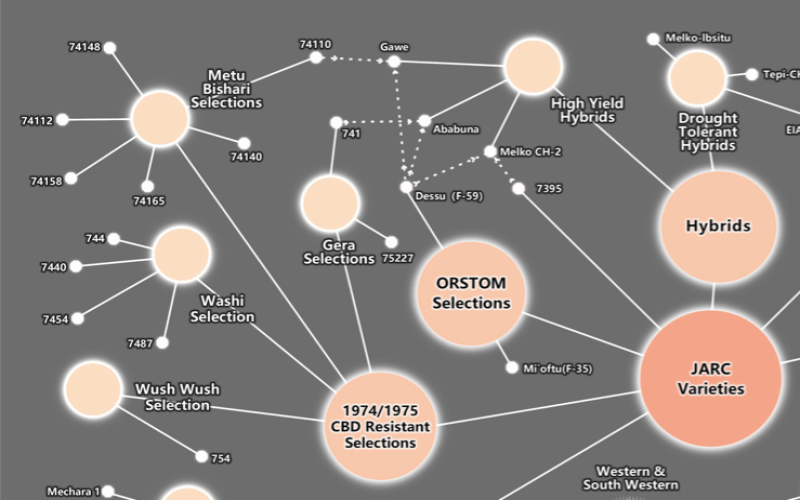
Ethiopia, as coffee's genetic treasure trove, has a variety system far more complex than one might imagine. The Heirloom native variety label commonly seen on the market is actually a collective term for mixed-harvest varieties, not a single specific variety. The numeric codes such as 74110, 74112, and 74158 that have frequently appeared in recent years originate from JARC's disease-resistant breeding program in the 1970s. This article will systematically sort out the classification of Ethiopian coffee cultivation models, the essential meaning of Heirloom, the origin of the 74-series numeric varieties, and the identification and naming of Landrace local varieties, helping coffee enthusiasts understand the variety information on Ethiopian coffee bags. [more…]
A Complete Guide to Ethiopia Sidamo Santa Vini Processing Station: Variety 74158 and 96-Hour Anaerobic Natural Flavor
Sidamo, as a high-altitude coffee-producing region in southern Ethiopia, nurtures layered and complex coffee flavors thanks to its intricate terrain and microclimates. This article focuses on the Santaverney processing station under DWD Company, outlining its geographical background, the harvesting standards of the Red Cherry Project, the 96-hour anaerobic natural processing method, and an in-depth exploration of the origins and rise to fame of the 74158 variety. This fully red-ripe anaerobic natural bean recommended by Front Street Coffee presents a captivating combination of citrus, pineapple, guava, and a red wine finish, taking you to discover the unique charm of Sidamo coffee. [more…]
Exploring Ethiopia's Sidama Region: An Analysis of the Santavini Processing Station and the 74158 Numeric Variety Coffee
Ethiopia, as the birthplace of coffee, is home to more than ten thousand incompletely identified Arabica varieties, and the Sidamo region is one of the most representative star origins among them. Starting from the geographical and cultural background of Sidamo, this article traces the evolution of its name and its terroir advantages, focusing on the unique microclimate of the Santa Vini processing station and its 96-hour anaerobic natural process, while offering an in-depth interpretation of 74158 within the JARC digital variety system. At the same time, drawing on Front Street Coffee's example of bean selection, it presents the complete picture of this Sidamo Santa Vini coffee bean from origin to processing method, taking you to appreciate the diverse charm of African specialty coffee. [more…]
Why Are Ethiopian Coffee Beans So Uneven in Size? A Variety Analysis of the Sidamo Santaverry 74158
Ethiopia, as the birthplace of Arabica coffee, is known for beans with floral and citrus notes, but many enthusiasts notice that the coffee beans here often vary in size and shape. This is not a quality issue, but rather the result of the country's extraordinarily rich variety of coffee cultivars, diverse cultivation patterns, and a grading system that focuses on defect rate rather than bean size. This article will analyze the causes of differences in Ethiopian coffee bean morphology, introduce the three cultivation methods of garden, estate, and forest, explain the JARC digital variety series and the origin of 74158, and finally present the flavor profile of Front Street Coffee's Sidamo Santawini coffee beans. [more…]
Ethiopia Sidamo Coffee Flavor Analysis: Washed and Natural Processing Characteristics and Hamasho 74158
Sidama is a well-known specialty coffee region in southern Ethiopia bordering Kenya, with elevations ranging from 1,400 to 2,200 meters. The terrain here is complex and varied, the volcanic soil is fertile and deep, and the microclimates together with countless native varieties combine to create coffees of extremely diverse styles. Beyond the widely known Huakui, Sidama has also produced many specialty beans worth attention, such as Front Street Hamasho with its delicate floral aromas. This article will review the geographical characteristics of Sidama and focus on the 74158 natural coffee from the Hamasho processing station, unfolding layer by layer from variety and processing method to flavor performance. [more…]
Exploring Ethiopia Sidamo: A Comprehensive Analysis of the Santavini Processing Plant 74158 Coffee Beans
Ethiopia, as the birthplace of coffee, boasts a rich variety of native heirloom varieties and unique natural conditions. The Sidama region, with its high altitude, fertile volcanic soil, and abundant rainfall, has become synonymous with high-quality coffee. The Santa Vini processing station, a high-altitude processing facility under DWD Company, processes the 74158 variety using a 96-hour anaerobic natural method, presenting tropical fruit flavors such as pineapple and citrus along with a full-bodied mouthfeel. Front Street Coffee has selected this bean and brews it using a V60, a 1:15 coffee-to-water ratio, and 92°C water temperature, delivering fermented wine aromas and a sweet red wine aftertaste that coffee enthusiasts will savor. [more…]
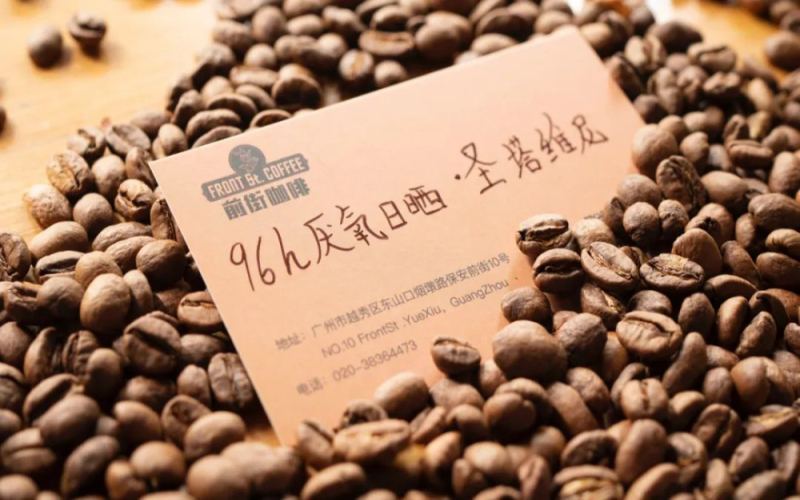
Front Street Coffee Explains Ethiopia Sidamo Santa Vini 74158: A Flavor Analysis of Fully Ripe Cherry 96-Hour Anaerobic Natural
In the landscape of Ethiopian specialty coffee, the Sidamo region has always held a unique position. The 74158 variety produced by the Santa Vini processing station, with whole red cherry harvesting combined with 96-hour anaerobic natural processing, delivers a highly distinctive flavor profile. This bean not only reaches G1 grade, but also matures slowly at a high altitude of 2,050 meters, giving it rich and clearly layered flavors. Front Street Coffee's Sidamo Santa Vini this time presents bright fruit notes of citrus, pineapple, and guava, accompanied by a long red wine finish. This article will analyze the unique qualities of this coffee bean one by one, from origin information and processing methods to flavor characteristics, providing coffee lovers with a complete tasting reference. [more…]
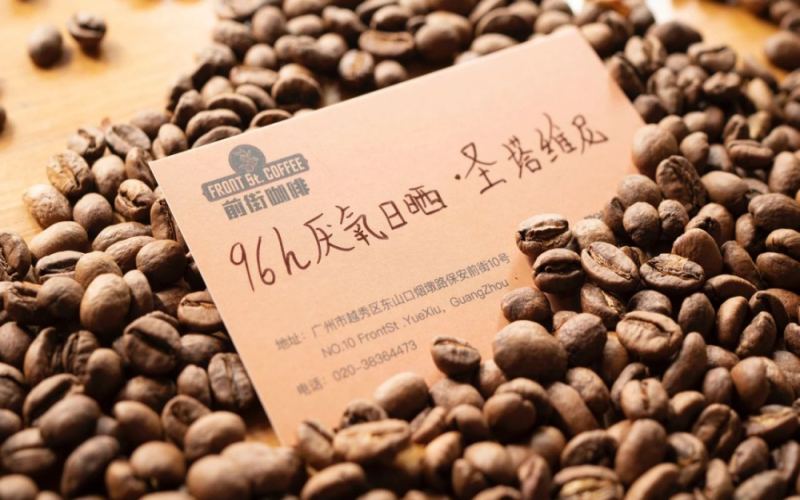
Coffee Bean 74 Series | What Are Ethiopian Coffee Varieties 74110 and 74158? Introduction to Sidamo Santa Vini Coffee Flavor, Mouthfeel, and Pour-Over Brewing Parameters
(Top left) Among the thousands of different coffee varieties, it's inevitable that some beans have rather unusual names! Unlike most beans such as Bourbon and Typica, which have conventional names, these are like secret agents, each with their own code number. For example, varieties named with letters plus numbers. [more…]

Ethiopia Sidama Bensa Region Coffee Flavor Analysis: The Perfume-Grade Alluring Aroma of 74158 and Other 74 Series Varieties
Bensa, a sub-region in Ethiopia's Sidama zone, is a sub-region known for its high altitude and unique microclimate, and the coffee it produces is often described as "little perfume." This article introduces Bensa's geographical advantages, cultivation patterns, and variety characteristics, especially how the 74 series disease-resistant varieties released by JARC contribute to its stable and stunning flavor. The Ethiopia Hamasho (74158 natural medium-light roast) on Front Street Coffee's bean list is a typical example; when ground, it releases light floral notes and the sweet aromas of mango and strawberry, and in the cup it presents rich layers of guava, citrus, and white flowers, with a light, clean mouthfeel and a long finish. If you are captivated by perfume-like coffee aromas, the Bensa region is worth trying. [more…]
A Complete Analysis of Ethiopian Coffee Varieties: From the Native Heirloom to the Origins of the 74/75 Numerical Lines
As the birthplace of coffee, Ethiopia has a variety system far more complex than we might imagine. What exactly does the commonly seen Heirloom native variety mean on the market? What do the numerical codes such as 74110 and 74158 that have frequently appeared on packaging in recent years represent? This article will sort out the three cultivation models of Ethiopian coffee, trace the historical context of the JARC disease-resistant breeding program in the 1970s, explain the naming logic of the 74/75 series lines, and introduce the progress in identifying and naming Landrace local varieties. At the same time, by combining specific products such as Front Street Coffee's Kafa Forest washed lot and Sidamo Santaverney 74158, it will help readers build a complete understanding of Ethiopia's variety system. [more…]
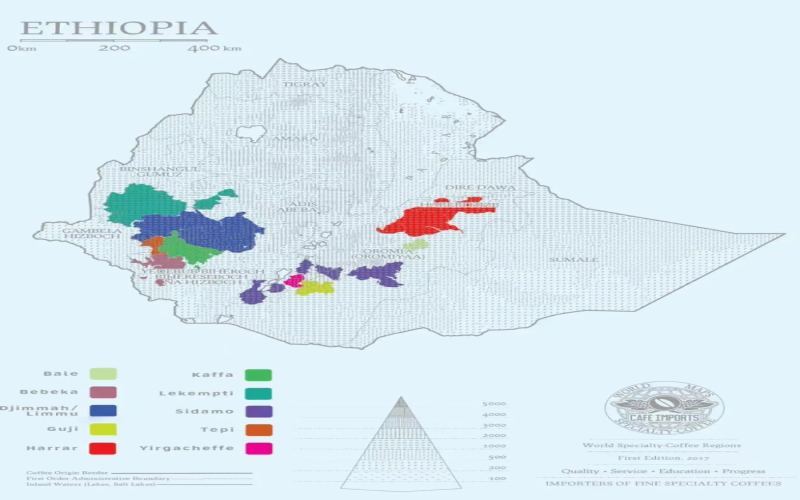
Analysis of the Flavor Characteristics and Origin Knowledge of Ethiopian Sidama and Bensa Alo Village Coffee
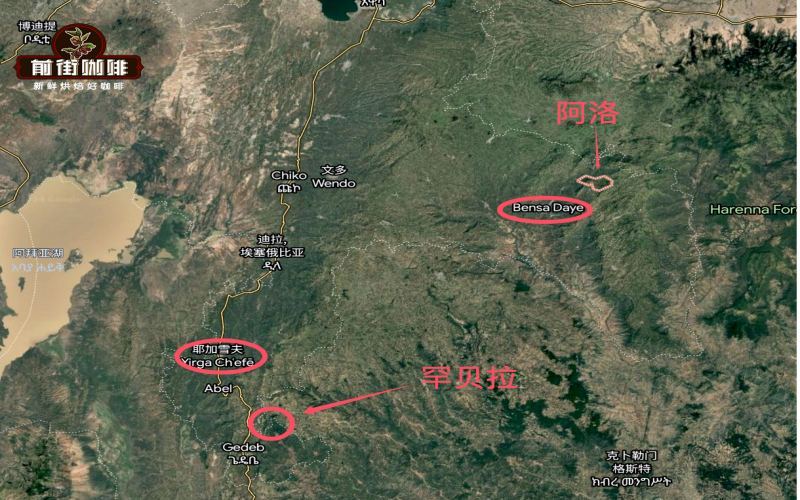
Sidamo is a highly representative coffee-producing region in southern Ethiopia. The evolution of the names Sidama and Sidamo, the geography, the rise of the sub-region Bensa, and the story and processing system of Alo Coffee together form a clear thread of knowledge. The article also explains how high altitude affects coffee flavor, and includes Front Street Coffee's brewing performance of the 74158 natural beans from Alo Coffee's Hatessa processing station, which feature pronounced tropical fruit and floral notes—ideal for coffee enthusiasts seeking a systematic understanding of the current state of Sidamo and Bensa. [more…]
Exploring Ethiopia Sidamo Bensa Alo Village: The Flavor and Origin Story of High-Altitude Floral Coffee
Ethiopia, as the birthplace of coffee, has always been a pilgrimage destination for specialty coffee enthusiasts. In recent years, Alo Village in the Bensa area of Sidama has quickly risen to fame thanks to its outstanding performance as the 2021 COE champion, becoming a hot topic of discussion in the coffee world. Alo Coffee founder Tamiru Tadesse started from scratch, bringing the floral and fruity aromas of this high-altitude land to the world. This article will guide you through the origin background of Alo Village, the distribution of processing stations, the natural processing of the 74158 variety, and the cupping flavors and brewing suggestions brought to you by Front Street Coffee, so you can experience the unique charm of this coffee. [more…]
A Comprehensive Analysis of Ethiopian Coffee Region Flavors: An In-Depth Look at the Winning Bean Varieties and Processing Methods of the First COE Cup of Excellence
In 2020, Ethiopia held its first-ever Cup of Excellence (COE) competition in history, where 28 coffees scoring above 87 points stood out, with 3 of them even surpassing the 90-point mark, all from the Sidama region. Front Street Coffee successfully bid on a natural Typica ranked 22nd, from the West Arsi area. This article will guide you through the details of this year's COE winners, Ethiopia's coffee variety naming system, the pros and cons of traditional natural processing, as well as Front Street Coffee's roasting curve, cupping performance, and brewing suggestions for this auction lot, presenting a complete flavor guide to Ethiopia's coffee-producing regions for coffee enthusiasts. [more…]
The Complete Guide to Coffee Variety Codes: The Stories and Origins Behind 74110, SL34, F1, and H1
When selecting coffee beans, a string of mysterious codes occasionally appears in the variety column, such as 74110, SL34, F1, H1, and so on. They do not have resounding names like Typica or Geisha, yet each carries a piece of breeding history. What exactly do these codes mean? Are they years, experiment numbers, or abbreviations of research institutions? This article will trace the origins of these numbered varieties, from disease-resistant varieties in Ethiopia to selections by the Scott Laboratories in Kenya, and then to the F1 hybrid program in the Americas, uncovering the mysteries of their identities one by one. Front Street Coffee will also share the unique charm of these varieties in the cup, combined with their flavor performance. [more…]
Sidamo Alo Village Coffee Beans alo coffee|Introducing the flavor characteristics of coffee beans from Alo Village, Bensa district, Sidamo, Ethiopia
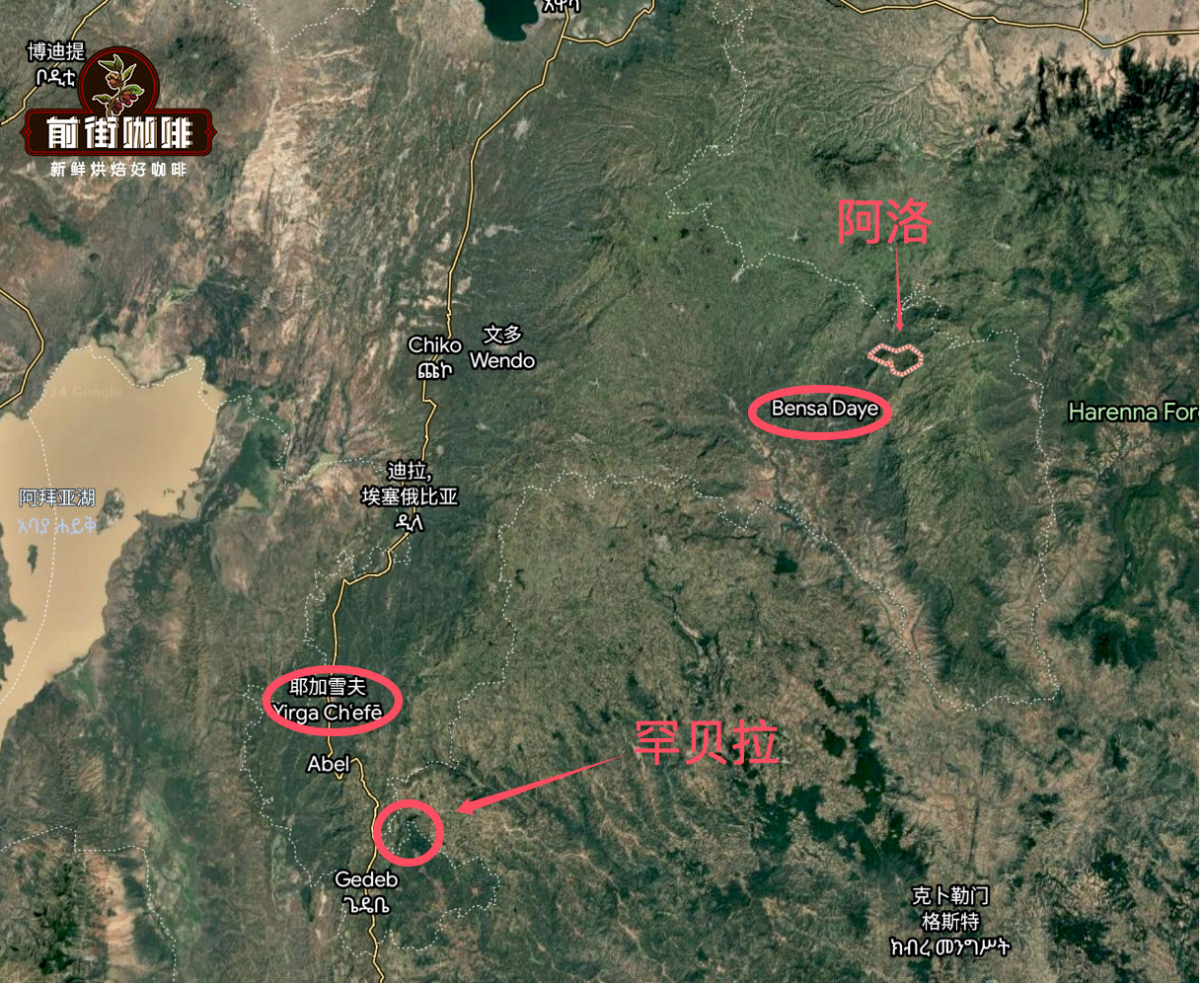
Since the beginning of this year, a coffee origin called Alo Village has quickly risen to fame in coffee circles both at home and abroad, with extremely high exposure and discussion. In conversations with multiple roasters and buyers, Front Street Coffee has also clearly felt the continued rise in popularity of this origin. So, what is it about this suddenly "ubiquitous" Al [more…]